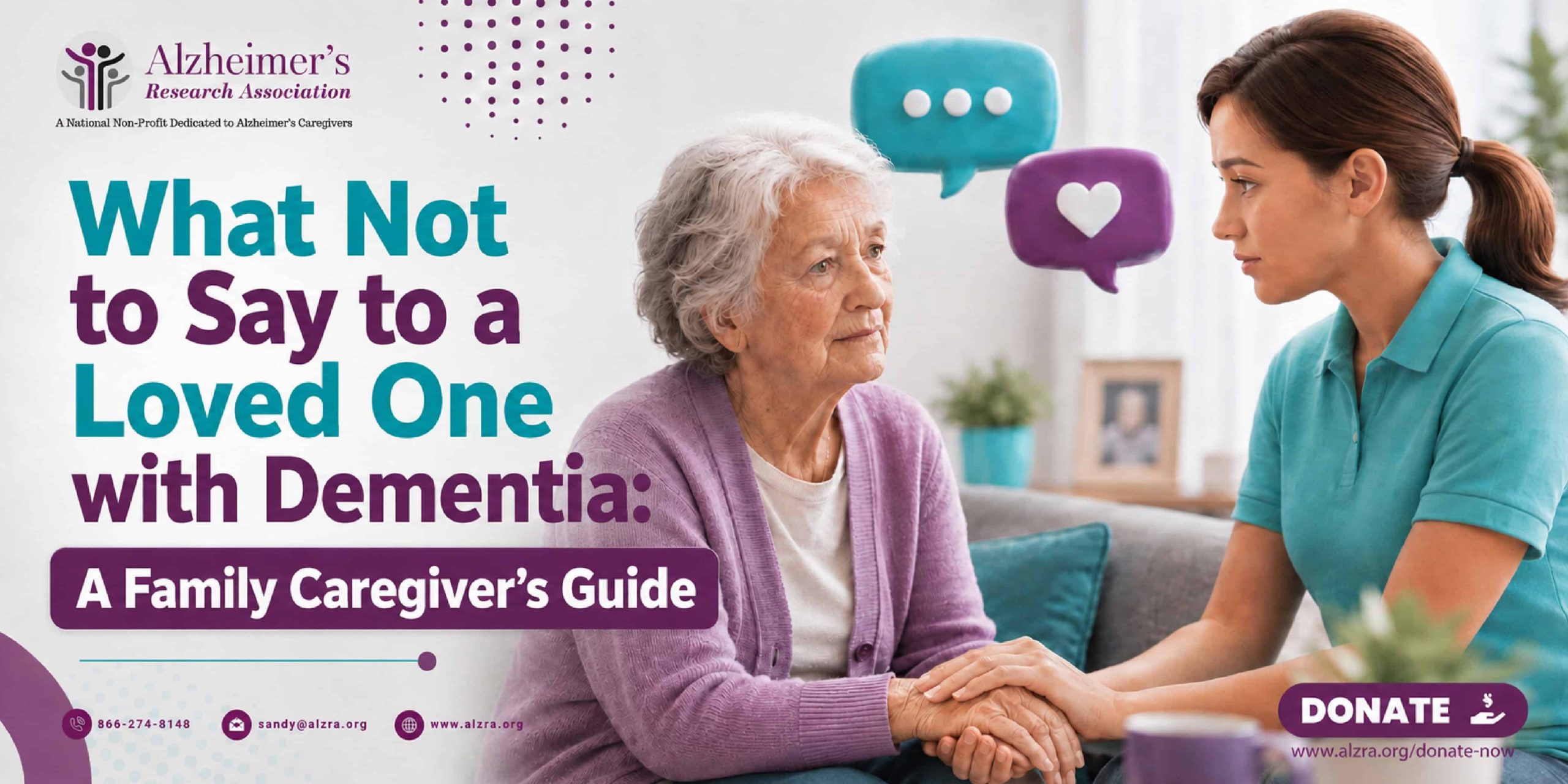
Caring for a loved one with dementia is an emotional, complex journey. You’re doing your best to stay patient, kind, and supportive, but sometimes the words that come out don’t land the way you hoped.
That’s because dementia doesn’t just affect memory. It changes how a person understands language, emotions, and reality. What feels like a simple correction or harmless question to you can feel confusing, frustrating, or even hurtful to them.
This article will walk you through common phrases to avoid, and, more importantly, how to replace them with communication that protects dignity, reduces distress, and strengthens your connection.
Why Words Matter More than You Think
As dementia progresses, the brain gradually loses its ability to process logic, recall facts, and follow complex conversations. However, emotional sensitivity often remains intact much longer. This means your loved one may forget what you said within minutes, but they will remember how you made them feel.
For example, if you respond with impatience, “I already told you that!” they may not remember the context, but they will feel criticized or anxious. On the other hand, a calm tone and reassuring words can create a sense of safety, even if the information itself is confusing.
In caregiving, communication is less about transferring accurate information and more about creating emotional comfort. When you prioritize empathy over correctness, everyday interactions become smoother and less stressful for both of you.
Key Considerations When Talking to Someone with Dementia
Before focusing on specific phrases to avoid, it’s important to understand a few foundational principles that shape how you communicate in every interaction. These considerations go beyond just words; they guide your tone, your reactions, and your overall approach to caregiving conversations.
1. You Don’t Have to Correct Every Mistaken Belief
One of the most difficult shifts for caregivers is letting go of the need to constantly correct what is “wrong.” In everyday life, correcting misinformation is helpful, but in dementia care, it can often do more harm than good.
As dementia progresses, your loved one’s sense of reality may change. They may think they are in a different time period, waiting for someone who is no longer alive or needing to fulfill responsibilities from decades ago. While these beliefs may not align with present reality, they are very real to them.
Repeatedly trying to correct these beliefs can lead to confusion, frustration, and even agitation. It may also damage trust, especially if they feel dismissed or contradicted.
Example:
If your loved one says, “I need to go pick up my children from school,” correcting them with “Your children are grown up now” may cause distress or disorientation.
A better approach:
Acknowledge the feeling behind the statement rather than the factual accuracy.
“You were always so responsible about your children. Tell me about them.”
In many cases, entering their reality, rather than pulling them into yours, creates a calmer and more meaningful interaction. The goal is not to reinforce false beliefs, but to protect emotional well-being.
2. Try Not to Let Your Emotions Take Over
Caregiving can be exhausting. Repeated questions, resistance to care, or sudden mood changes can test your patience, especially over long periods. It is completely natural to feel frustrated, overwhelmed, or even helpless at times.
However, people with dementia are highly sensitive to emotional cues. Even if they don’t fully understand your words, they can pick up on irritation, anger, or tension in your tone and body language, which can quickly escalate a situation.
Example:
If your loved one asks the same question repeatedly and you respond with visible frustration, sighing, raising your voice, or snapping, it may increase their anxiety or cause them to withdraw.
A better approach:
Pause before responding. Take a breath, soften your tone, and remind yourself that the behavior is a symptom, not a choice.
You might say: “That’s okay, I can help with that,” even if it’s the fifth time you’ve answered.
It can also help to step away briefly if you feel overwhelmed. Even a short pause can reset your emotional response and prevent escalation.
Managing your own emotions is not about being perfect but is about creating a calmer environment that supports both you and your loved one.
3. Communication Is Not Only Verbal
As dementia affects language skills, communication becomes less about words and more about non-verbal cues. Facial expressions, tone of voice, gestures, and touch often carry more meaning than spoken sentences.
Your loved one may struggle to find the right words or understand complex speech, but they can still sense warmth, safety, and reassurance via how you communicate physically and emotionally.
Example:
Instead of giving a long explanation like “We’re going to the doctor now because you have an appointment and we need to leave quickly,” a simpler approach combined with non-verbal cues can be more effective.
A better approach:
Smile gently, maintain eye contact, and say, “Let’s go out together,” while guiding them calmly.
Other non-verbal strategies include:
- Offering a reassuring hand on the shoulder
- Nodding and smiling to show understanding
- Using gestures to guide actions (pointing, demonstrating)
- Maintaining a relaxed and open posture
Even silence can hold great power. Sitting close, holding their hand, or simply being present can convey comfort without any words. When verbal communication becomes difficult, these non-verbal connections often become the strongest bridge between you and your loved one.
Common Phrases to Avoid When Talking to Someone with Dementia
Certain phrases, though well-intentioned, can unintentionally cause confusion, embarrassment, or distress. Understanding these common pitfalls can help you communicate more effectively and compassionately.
1. “Don’t you remember?”
This question often comes from a place of nostalgia or gentle prompting. You may be hoping to spark recognition of a shared memory, such as a family event or a familiar person. However, for someone with dementia, this can feel like being put on the spot.
When the person with dementia cannot recall the answer, it may trigger embarrassment, frustration, or even withdrawal. Imagine being repeatedly asked questions you can’t answer; it quickly becomes discouraging.
Example:
You ask, “Don’t you remember your neighbor John? He visited last week.”
They hesitate, feel pressured, and may respond with anxiety or defensiveness.
A better approach:
Offer the memory instead of testing it.
“I was thinking about John; he came over last week and brought those sweets you liked.”
This removes pressure and allows them to engage comfortably, even if they don’t fully remember.
2. “I just told you that.”
Repetition is one of the most challenging aspects of dementia caregiving. Your loved one may ask the same question multiple times within minutes because their brain cannot retain the answer.
Responding with “I just told you that” may feel justified in the moment, especially when you’re tired. But to them, this is the first time they are asking.
Example:
They ask, “When are we going home?” five times in ten minutes.
You respond, “I just told you—we’re already home.”
This can make them feel scolded or confused, increasing their anxiety.
A better approach:
Treat each question as new.
“We’re at home right now. You’re safe here.”
Or gently redirect: “Let’s have some tea first, then we can talk about that.”
Some caregivers also find it helpful to use visual cues, like a written note (“We are at home”), to reduce repeated questioning.
3. “You’re wrong.”
Correcting factual errors might seem necessary, especially when your loved one insists on something untrue. However, arguing rarely leads to understanding and often results in distress.
Dementia can change a person’s perception of reality. What they’re saying may not be factually correct, but it feels real to them.
Example:
They say, “I need to go to work,” even though they retired years ago.
You respond, “No, you’re wrong. You retired 20 years ago.”
This can cause confusion or even agitation.
A better approach:
Validate the feeling behind the statement.
“You really cared about your work. What did you enjoy most about it?”
Or redirect gently:
“It’s a day off today. Let’s relax together.”
This approach preserves dignity and avoids unnecessary conflict.
4. “Your spouse/parent passed away.”
This is one of the most emotionally complex situations in dementia care. If your loved one repeatedly asks about someone who has passed away, telling them the truth each time can cause repeated grief, as if they are hearing it for the first time.
Example:
They ask, “Where is my husband?”
You respond, “He passed away years ago.”
They may react with shock, sadness, or even trauma, again and again.
A better approach:
Respond to the emotion rather than the fact.
“You miss him. He was very special to you.”
Or gently redirect: “Tell me about something you loved doing together.”
This method, sometimes called “therapeutic fibbing” or validation, helps protect their emotional well-being.
5. “You can do this yourself.”
Encouraging independence is important, but dementia affects the ability to plan, sequence, and complete tasks. What seems simple to you may feel overwhelming to them.
Example:
You say, “Just get dressed, it’s easy.”
They become confused about where to start, leading to frustration or refusal.
A better approach:
Break tasks into manageable steps and offer support.
“Let’s put on your shirt first. I’ll help you with the buttons.”
You can also use gentle prompts or visual cues, like laying out clothes in order. Supporting independence doesn’t mean withdrawing help; it means adapting it.
6. “Why are you acting like this?”
Behavioral changes, such as agitation, aggression, or withdrawal, are common in dementia. These behaviors are not intentional; they are often responses to unmet needs or discomfort.
Asking “why” assumes they can explain their actions logically, which may no longer be possible.
Example:
They become upset and start pacing.
You ask, “Why are you acting like this?”
This can increase frustration because they may not know the answer themselves.
A better approach:
Look for underlying causes such as pain, hunger, fatigue, or overstimulation.
Respond with empathy: “You seem uncomfortable. Let’s sit down together.”
Sometimes, simply changing the environment, lowering noise, offering food, or providing reassurance can resolve the behavior.
7. “Calm down.”
During moments of distress, telling someone to “calm down” rarely has the intended effect. In dementia, it can feel dismissive or controlling, especially when the person is overwhelmed.
Example:
They become anxious in a crowded place.
You say, “Calm down, there’s nothing wrong.”
This may invalidate their feelings and escalate the situation.
A better approach:
Acknowledge and soothe.
“I can see this is overwhelming. Let’s step somewhere quiet.”
Use a gentle tone, slow movements, and a reassuring touch if appropriate.
Your calm presence communicates safety far more effectively than the words “calm down.”
8. “Do you recognize me?”
This question is deeply emotional for caregivers. It often comes from a place of hurt, fear, or a desire for reassurance. However, for someone with dementia, it can feel like a high-pressure test, one they may not be able to pass.
Asking this question puts your loved one in a difficult position. If they don’t recognize you, they may feel confused, embarrassed, or anxious. In some cases, they may try to guess, which can increase their stress even further.
Example:
You ask, “Do you recognize me?”
They hesitate, become visibly uncomfortable, or give an uncertain answer, resulting in an awkward or painful moment for both of you.
A better approach:
Instead of testing for recognition, gently introduce yourself naturally.
“Hi, it’s me, your daughter, Susan. I’m here with you.”
You can also provide context to help them feel more at ease:
“I came to spend some time with you. We always enjoy our afternoons together.”
This approach removes pressure and replaces it with familiarity and comfort. Even if your loved one doesn’t fully recognize who you are, they can still respond to your warmth, tone, and presence, allowing the connection to remain intact without causing distress.
A Gentle Reminder for Caregivers
Caregiving is demanding, physically, mentally, and emotionally. There will be moments when you feel completely overwhelmed, lose your patience, or say something you wish you hadn’t. Please know that this is a completely normal part of the reality of caregiving.
What matters is not perfection, but your awareness and your willingness to adjust. Each interaction is simply an opportunity to learn what works best for your loved one today.
Always remember: Being kind to yourself is just as important as being kind to them. You are doing a beautiful, incredibly meaningful job.
Choose Connection Over Correction
Dementia changes how a person experiences the world, but it does not erase their need for respect, comfort, and human connection.
When you shift your focus from correcting facts to supporting emotions, communication becomes more effective and less stressful. Small changes in your daily language can lead to fewer conflicts, calmer interactions, and a stronger bond.
In the end, your loved one may not remember the exact words you used, but they will feel the patience, warmth, and care behind them.
Alzheimer’s Research Association is a non-profit organization dedicated to helping caregivers of Alzheimer’s disease and dementia. We provide the latest information and news about the illness and helpful tips to help caregivers cope with their daily caregiving challenges. We realize the most important thing that a caregiver needs is financial assistance. Therefore, we provide grants to caregivers to ease their financial burden. Caregivers can apply for grants here: Alzheimer’s Grant Application.
You can also help caregivers in their endeavor by donating as much as possible: Donation To Alzheimer’s Research Associations.
References
- What not to say to somebody with dementia. Alzheimer’s Society. https://www.alzheimers.org.uk/blog/language-dementia-what-not-to-say. Accessed: 4th June, 2024
- Livesey, K. 5 things not to say to someone living with dementia. Carehome. https://www.carehome.co.uk/advice/what-not-to-say-to-someone-living-with-dementia. Updated: 26th November, 2025. Accessed: 4th June, 2026.
- What Not to Say to Someone With Memory Loss (and What Helps Instead). Parc Provence. https://www.parcprovence.com/what-not-to-say-to-someone-with-memory-loss/. Accessed: 4th June, 2026.
- Caregiver Tips: 20 Things Not To Say To Someone Living With Dementia. NCCDP. https://www.nccdp.org/dementia-communication-tips/. Accessed: 4th June, 2026.
- Things Not to Say to Someone With Dementia. Peregrine Senior Living at Orchard Park. https://peregrineorchardpark.com/things-not-to-say-to-someone-with-dementia/. Accessed: 4th June, 2026.