Type 1 diabetes linked to higher dementia risk in older adults
New Study Reveals Strong Link Between Type 1 Diabetes and Dementia
A recent study reveals that individuals with type 1 diabetes are around three times as likely to develop dementia as people without diabetes. Similarly, those with type 2 diabetes may be twice as likely to develop dementia. However, the study found a correlation rather than proof of causation, indicating that diabetes is associated with an … Continue reading "New Study Reveals Strong Link Between Type 1 Diabetes and Dementia"
Memory care support for an elderly dementia patient with a caregiver in a safe facility
Memory Care for Loved Ones: What Every Family Caregiver Needs to Know
Providing care for a loved one experiencing Alzheimer’s disease or other forms of dementia is a significant and demanding responsibility. As cognitive decline progresses, families often reach a juncture where home care is no longer sufficient to ensure the person’s safety and quality of life. Transitioning a family member to a specialized facility is a … Continue reading "Memory Care for Loved Ones: What Every Family Caregiver Needs to Know"
Brain disorder caused by thiamine deficiency in Wernicke-Korsakoff syndrome
Wernicke-Korsakoff Syndrome: Symptoms, Causes, Treatment & Prevention
Imagine slowly losing your grip on reality – not because of aging, but due to a hidden nutritional deficiency. Memory fades, coordination slips, and confusion sets in, often mistaken for something else entirely. This is the harsh reality of Wernicke-Korsakoff Syndrome (WKS), a condition that is both preventable and frequently overlooked. What makes WKS particularly … Continue reading "Wernicke-Korsakoff Syndrome: Symptoms, Causes, Treatment & Prevention"
Cognitive speed training brain exercise for seniors to lower Alzheimer’s risk
Study: A Type of Brain Training May Cut Dementia Risk by 25%
Brain training exercises could lower the risk of Alzheimer’s disease. A new study discovered that older persons who participate in computer-based “cognitive speed training” may lower their dementia risk for up to 20 years. In particular, a speed training exercise reduced the risk of dementia by almost 25%.  Alzheimer’s disease affects millions of people worldwide, … Continue reading "Study: A Type of Brain Training May Cut Dementia Risk by 25%"
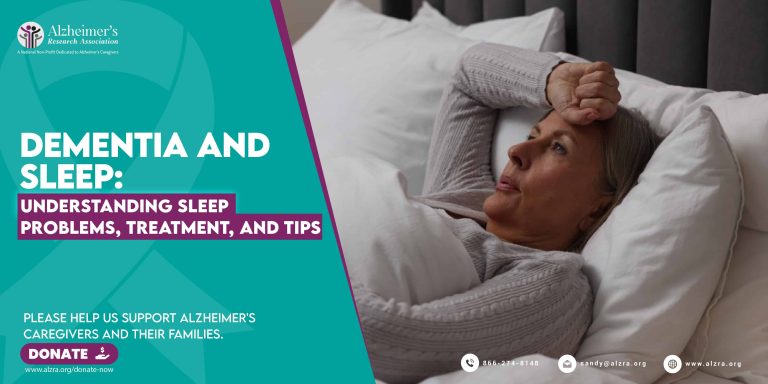
Caregiver helping a person with dementia during nighttime sleep disturbance
Dementia and Sleep: Understanding Sleep Problems, Treatment, and Tips
For many people living with dementia, the sunset marks the beginning of the most difficult part of the day. What was once a predictable nighttime routine often shifts into a cycle of frequent waking, wandering, and ‘sundowning’ confusion. Research suggests that sleep disturbances affect a large proportion of people living with dementia, with approximately 60–70% … Continue reading "Dementia and Sleep: Understanding Sleep Problems, Treatment, and Tips"
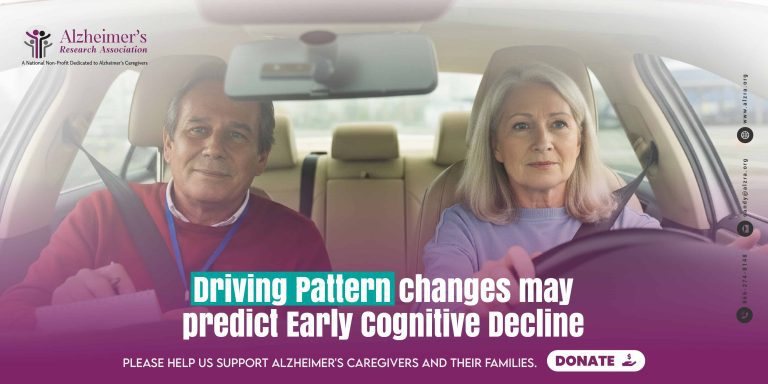
Changes in driving behavior as an early indicator of cognitive decline in older adults
Driving Pattern Changes May Predict Early Cognitive Decline
People with Alzheimer’s disease have impaired driving abilities, which emerge in the early stages of dementia. A recent study showed that older individuals with mild cognitive impairment (MCI) drove less than those with normal cognition, especially when it came to lengthy distances. According to the study’s findings, driving habits may serve as a digital biomarker … Continue reading "Driving Pattern Changes May Predict Early Cognitive Decline"
How to Calm Agitation in a Loved One with Dementia
Caregiver Tips: How to Calm Agitation in a Loved One with Dementia
Caring for someone with dementia brings many meaningful moments, but it also comes with unexpected challenges. Dementia changes how a person understands and experiences the world, often making everyday situations confusing or even frightening. One of the most difficult challenges caregivers face is agitation. A loved one may suddenly become restless, irritable, or anxious, leaving … Continue reading "Caregiver Tips: How to Calm Agitation in a Loved One with Dementia"
Depression Symptoms May Raise Dementia Risk
6 Depression Symptoms May Raise Dementia Risk
A recent study identified six specific depressive symptoms that, when present in middle age, are associated with an increased risk of developing dementia later in life. The study highlights the importance of identifying and managing persistent depressive symptoms as part of strategies to support long-term brain health. Researchers are still unclear about the exact cause … Continue reading "6 Depression Symptoms May Raise Dementia Risk"
Things Never to Do When Caring for Someone With Dementia
Caring for someone with dementia is not only about managing memory loss. It is about protecting dignity, reducing anxiety, and creating daily stability in a brain that no longer processes the world reliably. That said, it necessitates a thoughtful and flexible approach that promotes the person’s well-being while respecting their dignity and autonomy. Caring can … Continue reading "Things Never to Do When Caring for Someone With Dementia"
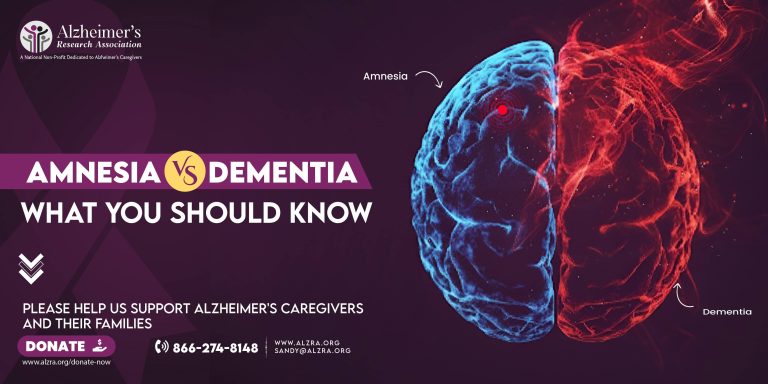
Difference between amnesia and dementia symptoms explained
Amnesia vs Dementia: What You Should Know
Memory defines identity, independence, and connection. When memory starts to fail, fear and confusion often follow. Many people use the terms amnesia and dementia interchangeably, assuming they mean the same thing. However, they do not. Although both affect memory, they differ significantly in causes, symptoms, progression, and treatment options. Understanding the difference enables families to … Continue reading "Amnesia vs Dementia: What You Should Know"
Obesity May Accelerate Alzheimer's Progression
Obesity May Accelerate Alzheimer’s Progression: Study
Researchers recently conducted a first-of-its-kind study to assess the effect of obesity on Alzheimer’s blood-based biomarkers (BBMs). In the study, a long-term analysis of BBMs suggested that obesity may exacerbate Alzheimer’s disease-related alterations. According to the findings, BBM levels increased up to 95% faster in obese individuals than in non-obese individuals, suggesting that obesity is … Continue reading "Obesity May Accelerate Alzheimer’s Progression: Study"
Women with Alzheimer's
Study: Women with Alzheimer’s may have Decreased Levels of Healthy Fats
A recent study compared lipid levels in men and women with and without Alzheimer’s disease or mild cognitive impairment. The researcher found that women with the condition had more unhealthy fats than healthy fats, whereas men with Alzheimer’s had no difference in lipid levels from men without Alzheimer’s. The researchers concluded that women might benefit … Continue reading "Study: Women with Alzheimer’s may have Decreased Levels of Healthy Fats"
Dementia vs Delirium
Dementia vs Delirium: Everything You Should Know
Changes in thinking and behavior are often associated with aging, but not all cognitive shifts originate from the same cause. Two conditions that frequently come up in discussions about brain health in later life are delirium and dementia. They share some outward signs, yet they differ sharply in how they begin, how they progress, and … Continue reading "Dementia vs Delirium: Everything You Should Know"
How AI Is Transforming Family Caregiving
How AI is Transforming Family Caregiving
Artificial intelligence is rapidly reshaping daily lives, but its impact on family caregiving may become one of the most profound shifts of all. As more families care for aging parents or loved ones managing chronic conditions, the demands placed on caregivers continue to increase. Many households now face the challenge of providing high-quality care while … Continue reading "How AI is Transforming Family Caregiving"
Emotional Well-being for Dementia Caregivers
Caregiver Tips: Emotional Well-being for Dementia Caregivers
Dementia caregiving impacts many aspects of a caregiver’s life, including emotional well-being. Caregivers may find themselves navigating unpredictable emotional terrain, balancing practical responsibilities with the evolving needs of someone they care deeply about. It is common to feel both committed and overwhelmed, hopeful and exhausted, connected yet isolated. Everybody will have a unique experience with … Continue reading "Caregiver Tips: Emotional Well-being for Dementia Caregivers"
In-Home Senior Care
In-Home Senior Care: When Does Your Loved One Need It?
Taking on the role of caregiver for a parent or loved one is a noble but often challenging endeavor. Most seniors want to stay independent, but as daily tasks become harder or health needs increase, subtle signs begin to appear: missed appointments, difficulty keeping up with household chores, or growing concerns about safety. These moments … Continue reading "In-Home Senior Care: When Does Your Loved One Need It?"
Common Mistakes that Family Caregivers Make
Common Mistakes that Family Caregivers Make and How To Avoid Them
Caring for an aging loved one can be one of the most meaningful roles we take on in life, yet it can also be among the most challenging. Family caregivers may unintentionally make mistakes that increase stress and affect both their own well-being and that of the person they are caring for. Providing care for … Continue reading "Common Mistakes that Family Caregivers Make and How To Avoid Them"
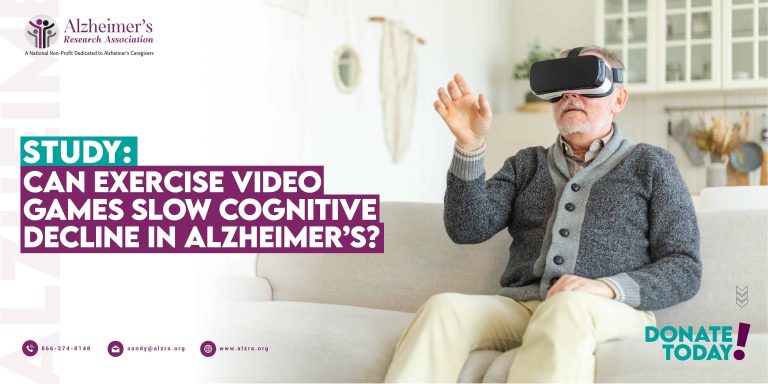
Exercise Video Games Slow Cognitive Decline in Alzheimer’s
Study: Can Exercise Video Games Slow Cognitive Decline in Alzheimer’s?
Exergaming refers to technology that encourages physical activity and may also offer cognitive benefits. Recent research has suggested that intensive exergaming positively affects the brain’s white matter and gray matter, potentially leading to cognitive benefits. Exergaming is the use of interactive video games that require physical movement. It combines exercise and play in a way … Continue reading "Study: Can Exercise Video Games Slow Cognitive Decline in Alzheimer’s?"
Busting the Myths About Alzheimer’s Disease
There are many myths and misconceptions about Alzheimer’s disease. These myths can lead to misunderstandings regarding the condition, affecting both awareness and care.  Alzheimer’s disease is one of the most common and devastating forms of dementia, affecting millions of people worldwide. Yet despite decades of research and awareness campaigns, myths and misunderstandings about Alzheimer’s continue … Continue reading "Busting the Myths About Alzheimer’s Disease"
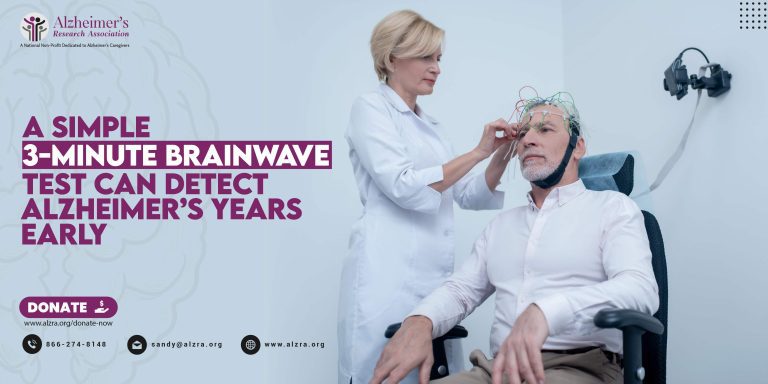
3-Minute Brainwave Test Can Detect Alzheimer’s Years Early
A Simple 3-Minute Brainwave Test Can Detect Alzheimer’s Years Early
According to a new study, individuals with mild cognitive impairment may benefit from a three-minute noninvasive test to help detect memory problems. The University of Bath created a straightforward brainwave test that may identify Alzheimer’s disease-related memory impairment years before a clinical diagnosis is usually possible. Alzheimer’s disease is the most prevalent type of dementia, … Continue reading "A Simple 3-Minute Brainwave Test Can Detect Alzheimer’s Years Early"