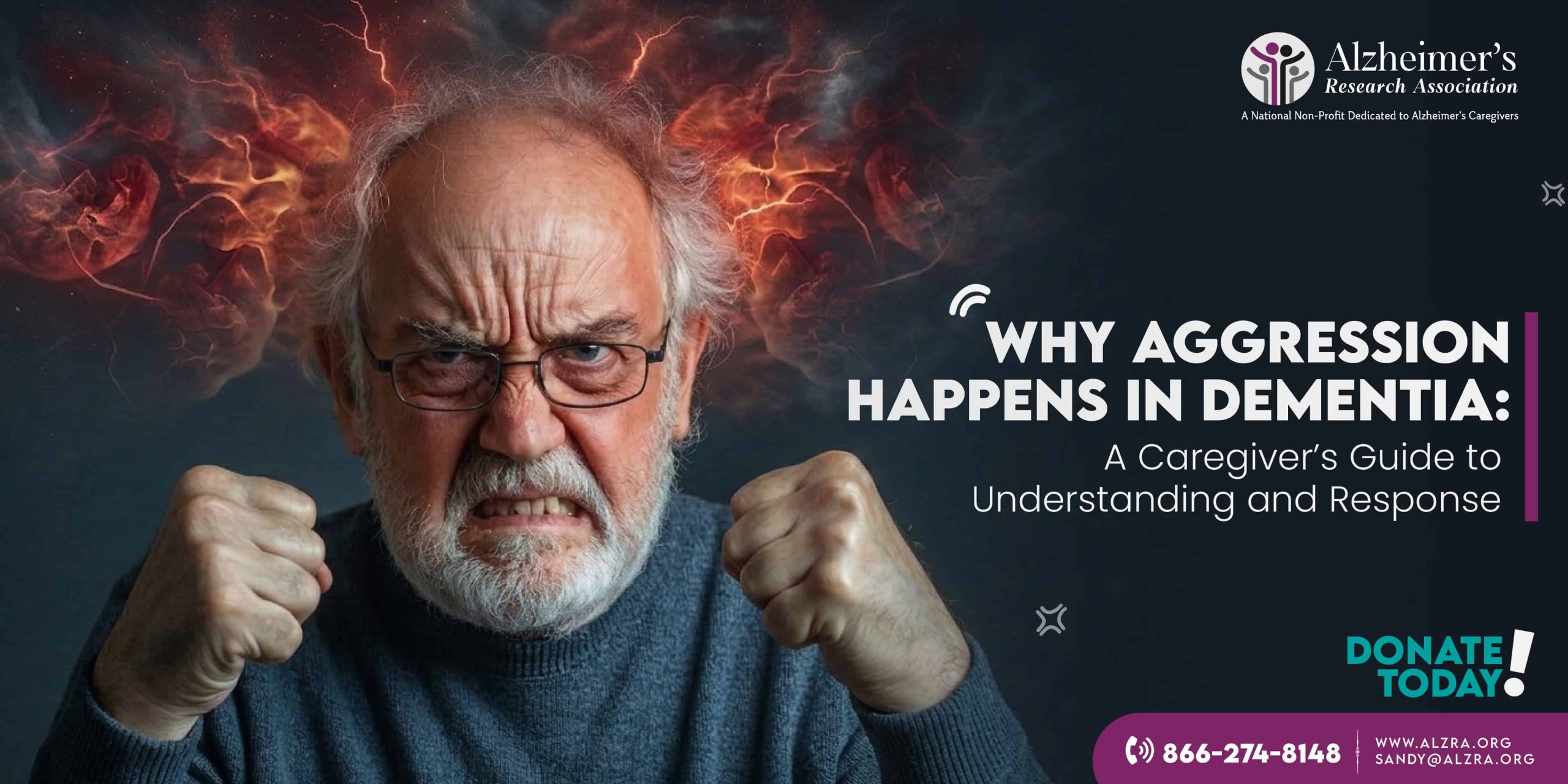
Caring for a loved one with Alzheimer’s or another form of dementia is a journey defined by compassion. However, it also comes with moments of deep confusion and distress, especially when a once-gentle person suddenly lashes out.
Aggression, whether verbal or physical, is one of the most challenging and misunderstood behavioral symptoms of cognitive decline. For caregivers and family members, sudden outbursts can feel alarming, confusing, and even hurtful.
These behaviors, however, are rarely intentional. Instead, they are often a form of communication rooted in neurological changes, unmet needs, or environmental stressors.
Aggressive behavior can be very upsetting for both the person with dementia and those around them. Knowing what causes it and being aware of the person’s needs can help alleviate or manage it.
Aggressive Behavior in People with Dementia
As dementia progresses, a person may begin to exhibit aggressive behavior.
Aggression in dementia refers to behaviors that appear hostile, threatening, or harmful. It is usually a response to confusion, fear, frustration, or unmet needs, and is considered a common behavioral and psychological symptom of dementia (BPSD).
Aggressive behavior may be:
- Verbal (such as swearing, screaming, shouting, or making threats)
- Physical (such as hitting, pushing, scratching, hair-pulling, or throwing objects)
While aggression can be a symptom of dementia, it is rarely without cause. In most cases, it is a reaction to something the person is experiencing. It is important to look beyond the behavior and consider possible underlying triggers.
Aggression may sometimes reflect a person’s past personality or behavior. However, it can also appear in individuals who were never previously aggressive. It is because dementia can significantly affect a person’s behavior, emotions, and personality over time.
Understanding the individual—their preferences, routines, personal history, and typical responses—can help caregivers provide more effective and compassionate support.
What Causes Aggression in People with Dementia
Understanding why aggression occurs is a crucial step toward responding with empathy, reducing triggers, and improving quality of life for everyone involved.
Understanding the Brain Changes Behind Aggression
Aggression in dementia or Alzheimer’s is largely a result of physical changes in the brain, rather than intentional behavior. As the disease progresses, areas responsible for emotions, reasoning, and behavior begin to weaken. These changes make it harder for individuals to understand their surroundings or clearly express their needs.
The frontal lobes, which control decision-making and self-regulation, are often heavily affected. When this “emotional filter” is damaged, a person may struggle to manage their reactions, leading to impulsive outbursts or sudden anger.
At the same time, parts of the brain that process fear and anxiety, such as the amygdala, can become overactive. As a result, normal situations may feel confusing or even threatening, triggering a defensive “fight or flight” response.
Communication between brain cells also breaks down, making the world feel disjointed and difficult to process. This ongoing confusion often turns into frustration.
As a result, individuals may:
- Misinterpret harmless situations as threatening
- Have reduced impulse control
- Experience stronger emotional reactions to small changes
For instance, a simple request or a minor change in routine may feel overwhelming or frightening, resulting in an aggressive response that stems from distress rather than intent.
Common Triggers for Aggressive Behavior
Aggressive behavior in individuals with dementia or Alzheimer’s is rarely random or unprovoked. Instead, it is usually a reaction to specific internal or external triggers. Identifying these triggers is a crucial step toward reducing distress and creating a calmer environment.
Communication Breakdown
As language and comprehension decline, expressing needs or understanding instructions becomes increasingly difficult. When a person feels misunderstood, ignored, or unable to find the right words, frustration can build quickly. In these moments, behavior often becomes their primary form of communication.
Physical Discomfort or Unmet Needs
Physical pain is a major, and often hidden, trigger for agitation. Because individuals may not be able to explain what they are feeling, they may react aggressively to signal discomfort. Common causes include headaches, joint pain, infections, as well as basic unmet needs like hunger, thirst, or fatigue.
Environmental Overstimulation
A brain affected by dementia may struggle to filter out background noise or visual distractions. Busy rooms, loud televisions, bright lights, or multiple conversations at once can lead to sensory overload. Therefore, such environments can increase confusion and anxiety, which may quickly escalate into agitation.
Disruption of Routine
Familiar routines provide a sense of stability and comfort. Sudden changes, such as a new caregiver, altered schedules, or unfamiliar surroundings, can create confusion and a feeling of lost control, often triggering defensive reactions.
Fear and Paranoia
Memory loss can make everyday situations feel unfamiliar or threatening. A person may fail to recognize their loved ones or may misinterpret harmful actions. These feelings of fear or suspicion can lead to protective and sometimes aggressive responses.
Feeling Rushed or Pressured
Being hurried during daily activities like bathing, dressing, or eating can increase stress. When a person feels rushed and cannot keep up, they may respond with resistance or anger.
The Emotional Experience Behind Aggression
Aggression in dementia or Alzheimer’s is often rooted in emotional distress rather than intentional anger. While the behavior may appear sudden or disproportionate, it is usually driven by strong feelings the individual can no longer fully process, regulate, or express.
Fear of the Unknown
One of the most common underlying emotions is fear. As memory and awareness decline, the world can feel unfamiliar and unpredictable. Not recognizing faces, places, or routines creates a constant sense of unease. In this state, an individual may react defensively, not out of malice, but to protect themselves from a reality that feels threatening.
Building Frustration
Losing the ability to communicate clearly, complete everyday tasks, or maintain independence can be deeply upsetting. When these challenges build up over time, they often lead to emotional outbursts. What appears as anger is often frustration from trying to cope with a world that no longer makes sense.
Overwhelming Confusion
When the brain struggles to process information, even simple situations can feel chaotic. This confusion can quickly become overwhelming, leading to distress and agitation. Aggression in these moments is often a reaction to that overload.
Loss of Dignity and Privacy
Feelings of embarrassment can also play a role. Needing help with intimate tasks, such as bathing or dressing, can feel intrusive or even humiliating for someone who has spent a lifetime being independent. Resistance or agitation is often a way of expressing discomfort and a need for personal space.
Loneliness and Disconnection
As communication becomes increasingly challenging, social circles often become smaller. This isolation can intensify emotional distress. In some cases, behavior becomes the only way left to express the need for attention, comfort, or human connection.
Caregiver Tips: How to Respond to Your Loved One’s Aggressive Behavior
Responding to aggression in dementia or Alzheimer’s requires patience, flexibility, and a shift in perspective. It is crucial to look beyond behavior and identify underlying emotions or messages that the person may be expressing.
Here are some tips to help you respond to your loved one’s aggressive behavior and calm them down.
- Stay calm and reassuring: Your response can have a significant impact on the situation. Speaking in a calm, gentle tone and maintaining relaxed body language can help reduce tension. Even if the behavior feels personal, it is important to remember that it is a symptom of the condition, not a deliberate action.
- Look for the trigger: Try to identify what may have caused the reaction. Did it happen during a specific activity, time of day, or environment? Recognizing patterns can help you adjust routines or surroundings to prevent similar situations in the future.
- Simplify Communication: Use short, clear sentences and give one instruction at a time. Avoid arguing, correcting, or overwhelming the person with too much information. If the person is confused, calmly repeating or rephrasing your words can help clarify the message.
- Approach slowly and gently: Sudden movements or approaching from behind can startle someone with dementia. Always approach from the front, make eye contact, and explain what you are about to do.
- Pay attention to non-verbal cues: Body language, facial expressions, and tone of voice can communicate more than words. A reassuring touch (when appropriate) or a calm presence can help de-escalate tension.
- Validate their feelings: Even if the situation does not seem logical, the emotions behind it are real. Acknowledging their feelings, such as saying “I understand this is upsetting,” can help them feel heard and reduce distress.
- Avoid confrontation: Trying to correct or argue often increases agitation and can quickly escalate into aggression, as the person may feel threatened or misunderstood. It is usually more effective to go along with their reality and gently guide the conversation to reduce distress and prevent aggressive reactions.
- Create a calm environment: Minimize noise, clutter, and distractions whenever possible. A quiet and familiar setting can help lower anxiety and prevent overstimulation.
- Maintain consistent routines: Establishing a consistent routine for daily activities promotes stability and a sense of security. Aim to have consistent times for meals, bathing, and rest.
- Check for physical needs: Always consider whether the person might be in pain, hungry, tired, or uncomfortable. Addressing these basic needs can often reduce or resolve aggression quickly.
- Give space when needed: If a person becomes highly agitated or aggressive, stepping back briefly may help. Allowing them time and space to calm down can prevent the situation from escalating further.
- Use distraction and redirection: Gently shifting attention to a different activity, such as listening to music, looking at photos, or going for a short walk, can effectively help divert focus from the source of distress.
- Offer simple choices: Providing limited options (for instance, “Would you like tea or water?”) helps the person feel a sense of control without overwhelming them.
- Plan activities around their best time of day: Many individuals have times when they feel more alert and calm. Scheduling challenging tasks during these periods can reduce resistance and frustration.
- Take care of yourself as a caregiver: Managing aggressive behavior can be emotionally and physically draining. Taking breaks, seeking support, and maintaining your own well-being are essential for providing effective care.
Key Takeaways
Aggression in dementia or Alzheimer’s is not intentional; it is often a response to confusion, fear, discomfort, or unmet needs. By understanding the underlying brain changes, recognizing common triggers, and responding with patience and empathy, caregivers can better manage these behaviors.
Small adjustments—such as maintaining routines, simplifying communication, and creating a calm environment—can make a significant difference. Ultimately, seeing aggression as a form of communication rather than a problem behavior helps foster more compassionate and effective care.
Alzheimer’s Research Association is a non-profit organization dedicated to helping caregivers of Alzheimer’s disease and dementia. We provide the latest information and news about the illness and helpful tips to help caregivers cope with their daily caregiving challenges. We realize the most important thing that a caregiver needs is financial assistance. Therefore, we provide grants to caregivers to ease their financial burden. Caregivers can apply for grants here: Alzheimer’s Grant Application.
You can also help caregivers in their endeavor by donating as much as possible: Donation to Alzheimer’s Research Associations.
References
- Aggressive behaviour and dementia. Alzheimer’s Society. https://www.alzheimers.org.uk/about-dementia/stages-and-symptoms/dementia-symptoms/aggressive-behaviour-and-dementia. Accessed: 29th April, 2026.
- Wilson, J. What is aggressive behaviour in dementia? Hometouch. https://myhometouch.com/articles/aggressive-behaviour-in-dementia. Accessed: 29th April, 2026.
- Aggression and Anger. Alzheimer’s Association. https://www.alz.org/help-support/caregiving/stages-behaviors/aggression-and-anger. Accessed: 29th April, 2026.
- Melinosky, C. Alzheimer’s Aggression: What You Can Do. WebMD. https://www.webmd.com/alzheimers/alzheimers-aggression. Published Online: 4th May, 2025. Accessed: 29th April, 2026.